For many buyers, the biggest VA question is not whether the loan is a good deal. It is whether they actually meet the va loan eligibility requirements before they spend time shopping for homes, gathering paperwork, or making an offer. That question matters because VA loans can be one of the strongest paths to homeownership for eligible service members, veterans, and certain surviving spouses, but eligibility has more than one layer.
The good news is that VA loans are built to remove barriers, not add them. The catch is that borrowers often confuse VA eligibility with lender approval. They are related, but they are not the same thing. If you understand that difference early, you can move faster and avoid the kind of last-minute issues that derail closings.
What VA loan eligibility really means
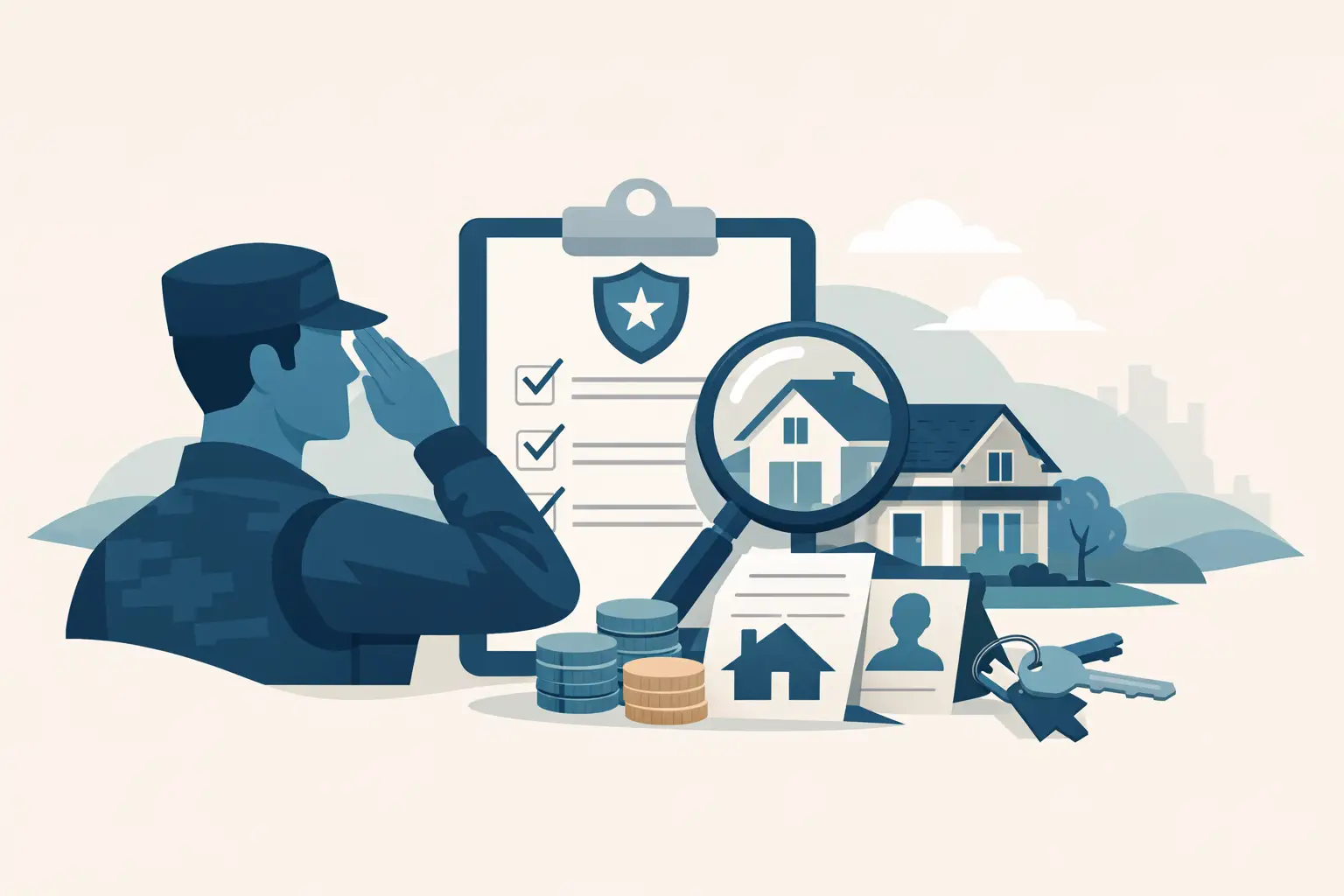
At the federal level, VA eligibility usually starts with service history. The Department of Veterans Affairs sets baseline rules tied to military service, discharge status, and in some cases surviving spouse status. If you meet those guidelines, you may be eligible for a Certificate of Eligibility, often called a COE. That document helps confirm that you qualify for the VA loan benefit.
But a COE is not a full mortgage approval. A lender still has to review your income, credit profile, debts, assets, and the property itself. That is where many buyers get tripped up. They hear "VA eligible" and assume they are automatically cleared to borrow any amount on any house. Real approval is more practical than that.
Basic VA loan eligibility requirements
Most borrowers qualify for VA home loan benefits based on active-duty service, veteran status, or qualifying National Guard or Reserve service. The required length and type of service can vary depending on when you served and whether your service was during wartime, peacetime, or under more recent guidelines. Some surviving spouses may also qualify if their spouse died in service or from a service-connected disability.
Discharge status matters too. In many cases, anything other than dishonorable service may still allow eligibility, but this is one of those areas where details count. If your service history is unusual, the smart move is to have it reviewed early rather than guessing.
For most borrowers, the first practical step is obtaining the COE. Sometimes a lender can pull it quickly through the VA system. Other times, additional records are needed. Either way, this is the document that confirms you have access to the benefit.
Who may qualify
VA loan eligibility requirements often apply to:
- Active-duty service members who meet the minimum service requirement
- Veterans who meet service guidelines based on their era of service
- Certain members of the National Guard and Reserves
- Some surviving spouses who meet VA criteria
VA eligibility vs lender requirements
This is the distinction that saves buyers time. The VA guarantees part of the loan, but the lender is still taking risk and still has underwriting standards. So beyond the official VA loan eligibility requirements, you should expect a lender to review whether the mortgage is affordable and whether the property meets program standards.
Credit is a good example. The VA does not set a single universal minimum credit score for all lenders. Many lenders do set their own minimums. That means a borrower can be eligible for the VA benefit and still need to improve credit or resolve recent issues before approval.
Income works the same way. Lenders want to see stable, reliable earnings and enough room in your budget to support the proposed payment. Debt-to-income ratio matters, but so does residual income, which is a VA concept many borrowers overlook. Residual income measures how much money you have left each month after major obligations. It is one reason VA underwriting can be both flexible and disciplined at the same time.
The financial requirements borrowers should expect
VA loans are known for allowing zero down payment in many cases, but that does not mean no financial review. Lenders still examine whether the loan makes sense for your situation.
Employment and income documentation need to show consistency. If you are salaried or hourly with a steady work history, that is usually simple. If you are self-employed, commission-based, or have variable income, the file may need more documentation. That does not mean no. It means the paper trail matters more.
Debt also plays a major role. If you carry car loans, student loans, credit card balances, or personal loans, those payments reduce your available borrowing power. High debt does not automatically disqualify you, but it can change the loan amount that works.
Assets are another piece of the picture. Even with a no-down-payment option, buyers still need funds for closing costs, prepaid items, and reserves in some situations. Sellers can sometimes contribute toward costs, but you should not assume every transaction will be structured that way.
Property rules are part of VA loan eligibility requirements too
A VA loan is designed for a primary residence, not a vacation home or most investment properties. That means the home must be one you plan to live in. Occupancy is not a minor technicality. It is one of the core program requirements.
The property also has to meet VA minimum property requirements. In plain terms, the home needs to be safe, sound, and sanitary. A house with major safety issues, severe deferred maintenance, or certain appraisal problems may not pass as-is.
This is where buyers need to think strategically. A perfectly updated home is not always required, but fixer-uppers can be harder to finance with a standard VA loan. If you are targeting an older property or one with obvious condition issues, ask questions before you get emotionally attached.
Common situations that create confusion
Previous VA loan use is one of the biggest. Many borrowers think the benefit is one-and-done. It is not. In some cases, you may have remaining entitlement even if you currently have a VA loan. In others, you may be able to restore entitlement after selling a home and paying off the prior VA loan. The exact outcome depends on the numbers and the history.
Another common question is whether bankruptcy or foreclosure ends your chances. Usually, not forever. Waiting periods, re-established credit, and overall financial recovery matter. A past setback may complicate the timeline, but it does not always close the door.
Borrowers also ask about funding fees. Many VA loans include a VA funding fee unless the borrower qualifies for an exemption, often due to service-connected disability status. That fee affects total loan cost and should be discussed upfront. It can often be financed into the loan, but financed does not mean free.
How to prepare before you apply
The fastest approvals usually come from borrowers who know their numbers before they start house hunting. Review your credit, estimate your monthly debts, and gather income documents early. If you have gaps in employment, recent large deposits, or variable income, be ready to explain them with documentation.
It also helps to separate what you can technically qualify for from what you actually want to spend. A strong approval amount is useful, but affordability should still fit your life after closing. Taxes, insurance, maintenance, and everyday expenses do not disappear just because the loan program is favorable.
If you are unsure where you stand, talk with a lender that understands VA lending beyond the basics. A strong advisor can identify whether the issue is true eligibility, a documentation gap, or a fixable approval problem. That distinction can save weeks of frustration. At US Mortgages, that kind of guidance is part of helping borrowers move with clarity instead of guesswork.
What a strong VA loan file looks like
A strong file usually has three things working together. First, clear VA eligibility supported by a COE or qualifying records. Second, stable income and manageable debt that support the payment. Third, a property that fits VA occupancy and condition standards.
You do not need a flawless profile. VA loans are often more forgiving than many buyers expect. But approval still rewards preparation. The cleaner your paperwork and the earlier you address questions, the more control you keep over the process.
For veterans and service members, the VA loan benefit can be one of the most valuable home financing options available. The key is not just asking whether you qualify in theory. It is making sure your service record, finances, and home choice all line up so you can buy with confidence when the right opportunity shows up.