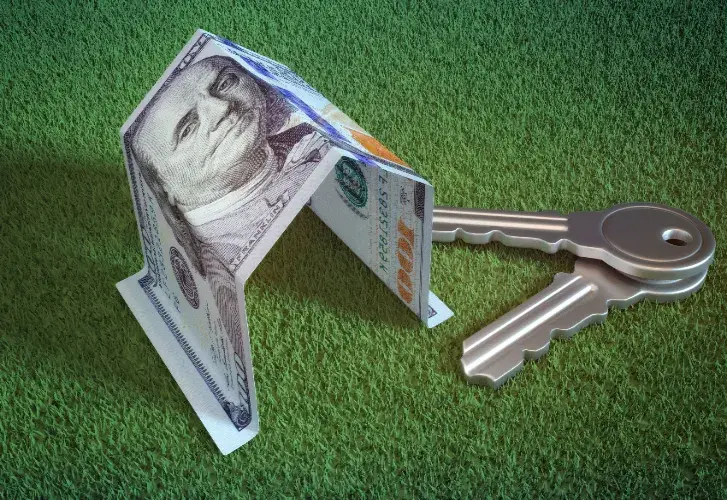
A mortgage rate forecast can shape your buying budget, your monthly payment, and the timing of a refinance. But forecasts are not promises. The right move is rarely about trying to call the exact bottom of the market. It is about understanding what drives rates, knowing what payment works for your household, and choosing financing that still makes sense if rates move in either direction.
For buyers and homeowners, that approach creates more control. You do not need a perfect prediction to make a smart mortgage decision. You need a clear plan.
Mortgage Rate Forecast: The Forces Behind the Numbers
Mortgage rates do not move in a straight line, and they do not simply follow the Federal Reserve's benchmark rate. The Fed influences borrowing conditions, but most fixed mortgage rates are more closely tied to the bond market, particularly yields on mortgage-backed securities and longer-term Treasury securities.
That distinction matters. A Federal Reserve rate cut can be positive for mortgage rates, but lenders and investors may have already expected it. If inflation remains stubborn or bond investors demand higher returns, mortgage rates can stay elevated even after a Fed cut. Conversely, rates may decline before the Fed acts if markets believe slower economic growth or easing inflation is ahead.
The biggest factors to watch are inflation reports, employment data, consumer spending, Federal Reserve communications, and Treasury market movement. A strong jobs report may push rates up if investors worry that inflation could persist. A weaker-than-expected economic report can pull rates lower as investors seek the relative safety of bonds.
Global events, government debt issuance, and financial-market volatility can also affect pricing. This is why a headline about one Fed meeting should never be the only reason to buy, wait, refinance, or lock a loan.
Why Mortgage Rate Predictions Have Limits
Forecasts are useful when they help you prepare, not when they convince you to gamble with your home purchase. Even respected economists disagree because rate markets react to new information every day. A forecast from January can look very different by March after one inflation report, policy announcement, or unexpected economic shift.
There is also a difference between an average market rate and the rate you may qualify for. Your actual mortgage rate depends on your credit profile, loan type, down payment or equity position, property type, occupancy, loan amount, and debt-to-income ratio. Discount points and lender credits can change the pricing structure as well.
For example, two buyers may see the same news about falling rates, yet receive meaningfully different loan offers. A borrower with a strong credit profile, stable income, and a larger down payment may have more favorable options than a borrower with recent credit challenges or a higher debt load. That does not mean the second borrower is out of options. It means product selection and expert guidance matter more.
The Better Question: Should You Act or Wait?
Waiting for rates to fall can be reasonable in some situations. If your income, credit, savings, or home search needs more time, waiting may improve your overall position. It can give you the opportunity to pay down debt, increase your down payment, correct credit-report errors, or compare loan programs.
But waiting has costs too. If home prices rise, inventory tightens, or competition increases, a lower rate later may not produce a better deal. A buyer who waits for a modest rate drop could face a higher purchase price, a larger down payment requirement, or lose access to a home that fits their needs today.
The better calculation compares the full picture: purchase price, monthly payment, cash needed to close, estimated future appreciation, and the realistic possibility of refinancing later. A rate matters, but it is only one part of the transaction.
If the payment is comfortable and the home is right, buying now can be a sound decision even in a higher-rate environment. If rates improve later, refinancing may reduce your payment or help you pay off the loan faster. If rates do not improve quickly, you are still in a home you could afford from the beginning.
How Homebuyers Can Respond to a Changing Forecast
A changing rate environment calls for preparation, not panic. Start by getting a clear view of your purchasing power based on a payment you can sustain, not just the maximum amount you can be approved to borrow. Include property taxes, homeowners insurance, HOA dues when applicable, maintenance, and moving costs.
Next, review your credit before applying. Paying down revolving balances, avoiding new debt, and resolving reporting issues may improve your eligibility and pricing. Do not make large financial changes during the mortgage process without discussing them with your loan advisor first. A new auto loan, job change, or unexplained deposit can affect underwriting.
Then compare loan options based on your goals. A conventional mortgage may be the right fit for a buyer with strong credit and a solid down payment. FHA financing can provide an accessible path for qualified buyers who need more flexibility. Eligible veterans and service members may benefit from VA financing, while USDA loans can help qualified buyers in eligible areas. Self-employed borrowers and nontraditional earners may need bank statement or alternative-income solutions that better reflect how they actually earn.
A lower advertised rate is not automatically the best offer. Ask how long the rate is available, whether points are required, what lender fees apply, and what the full monthly payment looks like. The best mortgage is the one that supports your goals without creating pressure on your budget.
When a Rate Lock Makes Sense
A rate lock protects your quoted rate for a set period while your loan moves toward closing. It can be especially valuable when you have found the right home, your payment works, and market volatility is high.
Locking does mean you may miss a later decline unless your loan includes a float-down feature or another option to improve pricing. Still, trying to time every daily movement can create unnecessary risk. If an increase would make your payment uncomfortable or disrupt your approval, a lock provides certainty when certainty matters most.
Your timing should reflect your contract deadline, loan processing timeline, financial comfort level, and the cost of waiting. There is no universal answer, but there should be a deliberate one.
What a Mortgage Rate Forecast Means for Refinancing
Homeowners often focus on whether rates have fallen by a certain amount, such as one percentage point. That is a useful starting point, but it is not the only test. Refinancing may make sense with a smaller rate reduction if it eliminates mortgage insurance, shortens your loan term, consolidates a higher-cost obligation, or creates a payment that better fits your current life.
The numbers must justify the move. Compare the new principal and interest payment, closing costs, how long you expect to keep the loan, and your break-even period. A refinance that lowers the payment but adds years to repayment may still be appropriate, but only if that trade-off serves your financial priorities.
For homeowners concerned about future rate changes, US Mortgages offers its Lowest Rate for Life™ program for eligible borrowers. The program is designed to help qualified customers refinance repeatedly without lender or appraisal fees when rates fall by at least 0.50%, helping turn a future rate drop into a practical savings opportunity rather than another expensive mortgage transaction.
Keep Your Plan Strong in Any Rate Environment
The most useful mortgage rate forecast is one that helps you make decisions without fear. Rates can fall, rise, or hold steady longer than expected. Your ability to act with confidence comes from knowing your budget, strengthening your application, selecting the right loan, and understanding your refinance options before you need them.
A home purchase or refinance should not depend on predicting every market move. Build a financing plan that works at today's numbers, and keep a clear path forward if tomorrow's rates create a better opportunity.