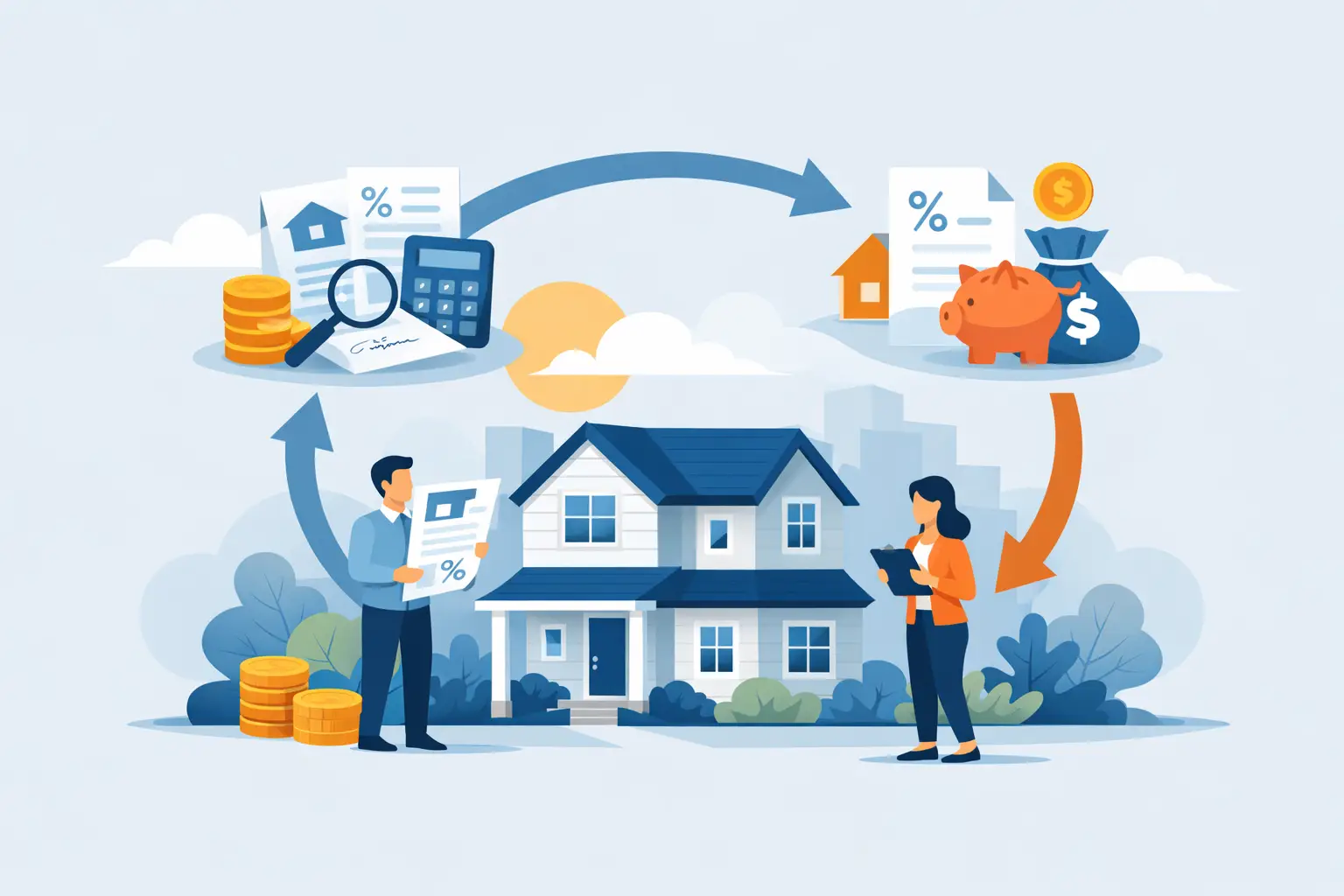
Rates dropped again just months after you refinanced. Now you are asking the question a lot of homeowners ask in fast-moving markets: can I refinance twice in one year? The short answer is yes, you often can. The better answer is that it depends on your loan type, your lender’s waiting period, your home equity, and whether the second refinance actually saves you money after closing costs.
Refinancing twice in a year is not automatically a bad move. In the right situation, it can be a smart way to lower your rate, reduce your payment, remove mortgage insurance, or switch into a loan that fits your finances better. But timing matters, and so do the numbers.
Can I refinance twice in one year? Yes, but rules apply
Most borrowers are allowed to refinance more than once in a 12-month period. There is no universal law that says you only get one refinance per year. What stops people is usually lender overlays, seasoning requirements, and cost.
A conventional rate-and-term refinance may be possible again after a relatively short period, assuming you still qualify. That means the lender will look at your credit score, income, debt-to-income ratio, loan-to-value ratio, and payment history all over again. If those pieces still work, a second refinance can move forward.
Cash-out refinances are where timing restrictions matter more. Many lenders require you to wait at least six months after your current mortgage begins before doing a cash-out refinance. Some government-backed loans also come with stricter seasoning rules. If your current mortgage is FHA, VA, or USDA, the timeline and qualification standards may be different than they are for a conventional loan.
This is why the real question is not just can I refinance twice in one year. It is whether the second refinance is allowed on your specific loan and whether it improves your position enough to justify the reset.
The biggest factors that determine whether you can refinance again
The first factor is the type of refinance you want. If you are simply trying to lower your rate or change the term, the path is often easier than if you want to pull cash out. Lenders view cash-out transactions as higher risk, so they tend to apply tighter timing rules.
The second factor is your equity. If home values in your area have risen or you have paid down the balance enough, you may have more room to refinance again. If values have softened, a second refinance could be harder even if rates are attractive.
The third factor is your credit and income profile. A refinance completed a few months ago does not guarantee approval today. If your score dropped, your debts increased, or your income changed, the new file may underwrite differently.
Finally, there is the lender itself. Some lenders have internal waiting periods even when the loan program does not require one. Others are more flexible, especially when the borrower clearly benefits and still meets guidelines.
When refinancing twice in one year can make sense
Sometimes the second refinance is easy to justify. If rates fell sharply after your first refinance, waiting a full year just because it sounds cleaner could cost you real money. A lower rate can reduce your monthly payment and long-term interest expense.
Another common reason is removing FHA mortgage insurance. A borrower may refinance into an FHA loan to solve one problem, then refinance again later into a conventional loan once equity and credit improve. That second move can eliminate monthly mortgage insurance and create meaningful savings.
You may also benefit from refinancing again if your first refinance was done under pressure. Maybe you needed to close quickly, accept a higher rate, or choose a shorter-term solution because of timing, income documentation, or credit issues. If your profile improves soon after, a second refinance can be a correction, not a mistake.
There are also borrowers who refinance again to move from an adjustable-rate loan into a fixed rate, shorten the term from 30 years to 15 or 20, or remove a borrower from the loan after divorce or separation. In those cases, the goal is not only a lower rate. It is better loan structure.
When a second refinance in the same year may not be worth it
A second refinance can backfire if the savings are too small. A rate drop of 0.125% or even 0.25% may not deliver enough monthly benefit to offset new costs, especially if you are rolling those costs into the loan balance.
You also need to watch the loan term. If you refinance from a 30-year mortgage into another new 30-year mortgage just a few months later, you may lower the payment while stretching interest over a longer period. That is not always bad, but you should make that decision with clear eyes.
The same caution applies if your credit inquiry, appraisal, title fees, and lender charges pile up with each refinance. Even if each step looks reasonable on paper, repeated transactions can eat away at the benefit.
Costs matter more than most borrowers realize
The biggest mistake homeowners make is focusing only on rate. A lower rate helps, but what matters is net savings.
Look closely at lender fees, third-party fees, prepaid items, and whether you are paying points. Then calculate your break-even period. If the refinance saves you $150 per month but costs $4,500, it takes 30 months to recover the expense. If you may sell, move, or refinance again before then, the math gets weak.
This is where low-fee refinance options can change the picture. If a lender offers reduced lender fees or a structure designed for repeat refinancing when rates improve, a second refinance can become much more practical. For borrowers who expect rates to move, that matters.
Credit impact and qualification concerns
Refinancing twice in one year can affect your credit, but usually not in a dramatic long-term way if you manage debt responsibly. The lender will pull your credit again, and the new loan will appear on your report. A hard inquiry can cause a small temporary dip, and a new account can affect the age of credit.
What matters more is your broader profile. If you kept making on-time payments, avoided large new debts, and maintained solid reserves, the second refinance may not create a major issue. If you opened multiple credit cards, financed a car, or missed payments after the first refinance, qualifying again could be tougher.
Lenders will also verify employment and income again. This catches some borrowers off guard. Approval is not based on your last refinance approval. It is based on where you stand now.
Loan type matters more than borrowers expect
Conventional loans usually offer the most flexibility for repeat refinancing, assuming you qualify. FHA, VA, and USDA loans can have additional seasoning requirements, especially for streamline options and cash-out transactions.
For example, some government refinance programs require a certain number of on-time payments and a minimum amount of time since your last closing. That is meant to prevent loan churn and ensure the refinance provides a real borrower benefit.
If you are self-employed, use bank statements, or qualify with alternative income documentation, you should expect another full review of your file. That does not mean you cannot refinance twice in a year. It means documentation quality and lender experience become even more important.
A simple way to decide if refinancing again is smart
Start with three questions. First, how much lower is the new rate or payment? Second, how long will you keep the home or the mortgage? Third, what is the all-in cost of doing it again?
If the payment drops meaningfully, the costs are controlled, and you expect to stay in the loan long enough to recover those costs, the second refinance may be worth serious consideration. If the savings are thin or the fees are heavy, waiting may be the better move.
A strong lender should be able to run this analysis with you clearly. Not just sell the idea of a lower rate, but show the actual monthly savings, break-even point, and long-term interest impact.
That is especially valuable for homeowners who want a lender relationship, not a one-time transaction. US Mortgages built its Lowest Rate for Life™ approach around that exact concern - helping eligible borrowers refinance again when rates improve without creating the usual fee burden that makes repeat refinancing less attractive.
The right answer is about savings, not just eligibility
So, can I refinance twice in one year? Yes, many borrowers can. The smarter question is whether the second refinance improves your financial position enough to make the move worthwhile.
When rates fall, equity rises, or your borrower profile gets stronger, acting quickly can save real money. When the costs outweigh the benefit, patience wins. The best next step is not guessing. It is running the numbers with someone who knows how to match the loan to the moment and keep the focus where it belongs - on your savings.