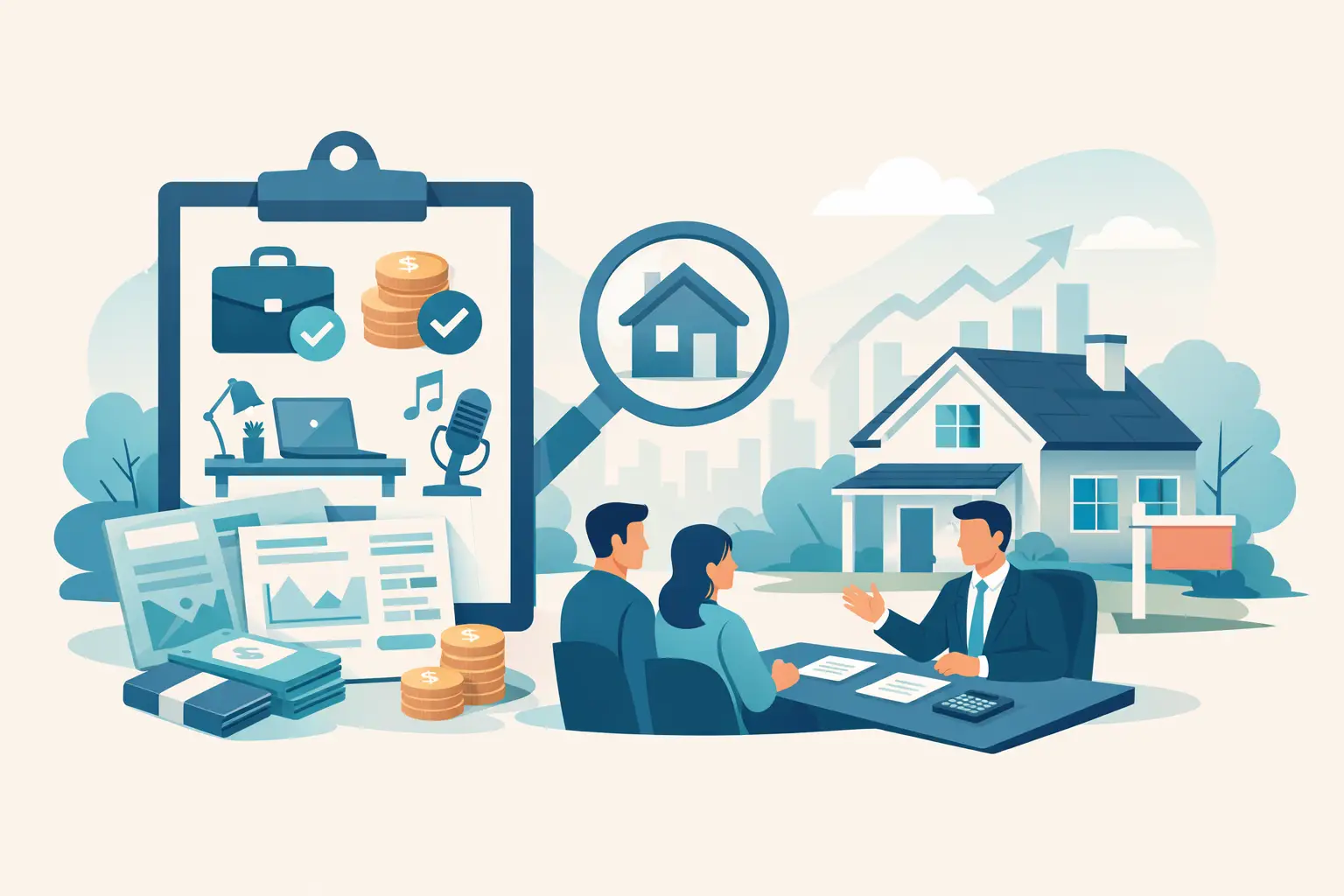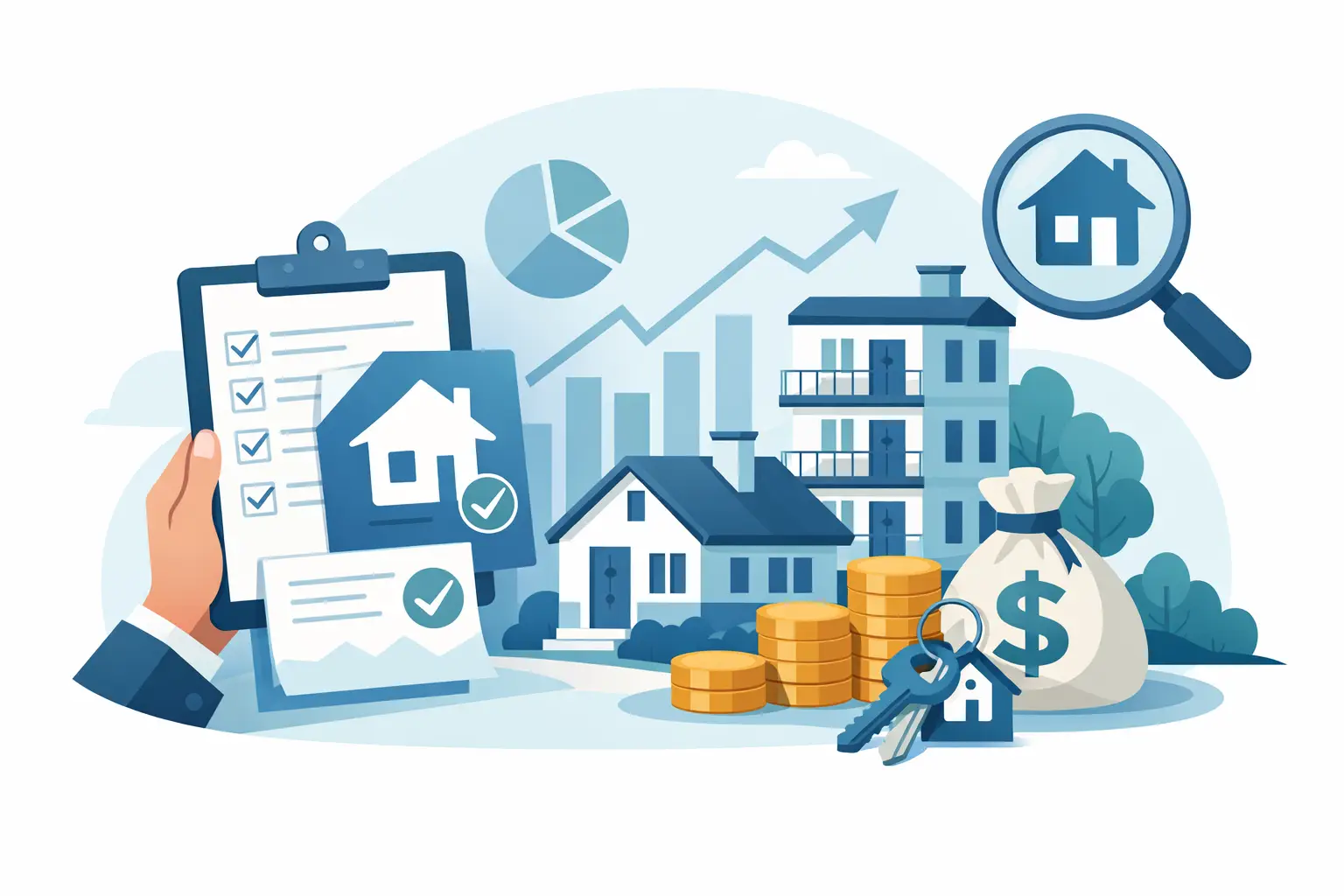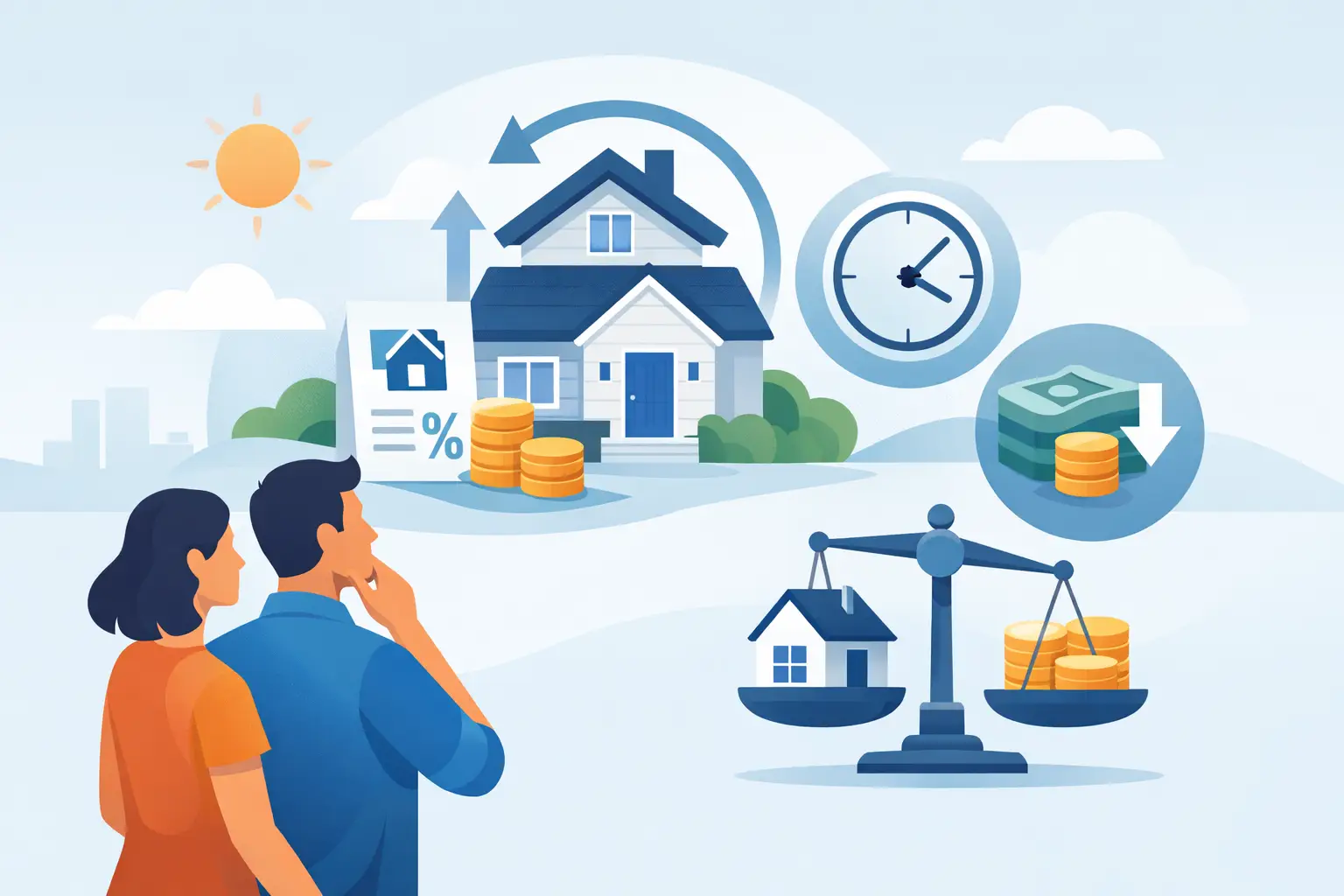
A mortgage rate headline can make refinancing look like an automatic win. It is not. When should homeowners refinance? The right answer depends on what the new loan changes for your monthly payment, total interest, loan timeline, and financial flexibility. A lower rate matters, but the best refinance is one that supports a clear goal and pays for itself on terms that make sense for your household.
When Should Homeowners Refinance?
Homeowners should consider refinancing when the measurable benefit is greater than the cost and disruption of replacing their existing mortgage. That benefit may be a lower monthly payment, less interest paid over time, a shorter payoff schedule, removal of mortgage insurance, a more predictable payment, or access to equity for a well-defined purpose.
The most common trigger is a meaningful rate improvement. Many borrowers hear the old rule that they should wait for rates to fall by 1%. That can be a useful starting point, but it is not a rule. A smaller rate reduction may be worthwhile with a large loan balance, low closing costs, or a long planned stay in the home. A bigger rate reduction may still disappoint if you restart a long loan term, pay high fees, or expect to sell soon.
Start with the full numbers, not the advertised rate. Compare the principal and interest payment, the annual percentage rate, estimated closing costs, cash needed at closing, and total interest over the life of each loan. Then compare those figures to your expected time in the property.
A lower rate creates real savings only when the math works
Suppose your refinance lowers your principal and interest payment by $250 per month and costs $5,000 to close. Your simple break-even point is 20 months: $5,000 divided by $250. If you expect to keep the loan longer than that, the refinance may be attractive. If a move, sale, or another refinance is likely within a year, recovering those costs could be difficult.
That calculation is only the first screen. It does not include changes in the loan balance, tax considerations, or whether your new loan extends the repayment period. Still, it gives you a practical question to answer: How long must I keep this mortgage before the savings outweigh the expense?
Be cautious with a loan that lowers the payment only by stretching repayment back to 30 years. That strategy can be appropriate when cash flow is the priority, but it may increase total interest. If your goal is to lower the rate without adding years of debt, ask about refinancing into a shorter term or maintaining your prior payoff pace by making extra principal payments.
Refinance for More Than a Rate Drop
A strong refinance decision often solves a problem your current mortgage cannot solve. For example, homeowners with an adjustable-rate mortgage may refinance into a fixed-rate loan before a future adjustment raises their payment. The certainty of a stable payment can be valuable even if the new rate is not dramatically lower.
You may also refinance to eliminate private mortgage insurance. Conventional borrowers typically can request PMI cancellation once they meet required equity and payment-history standards, while a refinance can be another path if the home’s value and new loan amount support it. Removing a monthly insurance charge can materially improve the refinance calculation.
A shorter-term refinance is another option for homeowners whose income has increased and who want to build equity faster. Moving from a 30-year loan to a 15- or 20-year term generally raises the monthly payment, but it can reduce the interest rate and total interest paid. This is not the right move for every budget. The advantage is long-term savings, while the trade-off is less monthly breathing room.
When Cash-Out Refinancing Can Make Sense
A cash-out refinance replaces your current mortgage with a larger loan and provides cash from available equity. It can be useful for consolidating high-interest debt, making value-adding home improvements, funding a major planned expense, or creating a more manageable financial structure.
The key word is planned. Using lower-cost mortgage financing to pay off credit card debt can improve cash flow, but it also turns unsecured debt into debt secured by your home. If spending habits or income gaps are not addressed, balances can return while the mortgage balance remains higher. A cash-out refinance should have a specific purpose, a realistic repayment plan, and enough remaining equity to protect your financial position.
For homeowners who want to preserve a favorable first-mortgage rate, a home equity line of credit may be worth considering instead. A HELOC can provide flexible access to equity without replacing the original mortgage. The right choice depends on rates, payment structure, how much cash you need, and whether you want a fixed amount or ongoing access to funds.
Check the Costs Before You Commit
Every refinance has costs, even when a lender offers credits or a no-closing-cost structure. Typical expenses can include lender charges, title services, recording fees, prepaid interest, escrow funding, and sometimes an appraisal. With a lender-credit option, those costs may be covered in exchange for a higher interest rate. That can be useful for a homeowner who needs to minimize upfront cash, but it should still be evaluated against the long-term cost.
Ask for a clear loan estimate and review it line by line. Focus on the rate and APR, but do not stop there. Confirm whether the payment shown includes taxes and insurance, whether the loan has points, whether there is a prepayment penalty, and whether the quoted savings reflect the same remaining term as your current loan.
If you are eligible for US Mortgages' Lowest Rate for Life™ program, repeat refinance opportunities may reduce lender and appraisal fees when rates drop by at least 0.50%. That can change the break-even analysis for qualified borrowers. Eligibility, program terms, and third-party charges still matter, so review the details of any refinance offer before making a decision.
Your Credit, Equity, and Income Still Matter
Waiting for perfect conditions is rarely practical, but improving your loan profile before applying can create better options. Higher credit scores may qualify for stronger pricing. Lower debt-to-income ratios can improve approval flexibility. More equity can reduce risk for the lender and may help you avoid mortgage insurance.
Self-employed borrowers, commission earners, and business owners should not assume refinancing is out of reach because their income looks different on a traditional pay stub. The documentation requirement may be different, and alternative income or bank statement loan options can be appropriate in some situations. What matters is matching the loan program to your actual financial picture rather than forcing your situation into the wrong box.
It is also smart to avoid opening new credit accounts, taking on large balances, or changing jobs immediately before and during the refinance process unless necessary. Lenders verify financial information close to closing, and late changes can affect approval or pricing.
A Quick Refinance Decision Framework
Before you apply, put your current loan and proposed loan side by side. Look at your remaining balance, rate, monthly principal and interest payment, remaining term, and expected time in the home. Then compare the new loan’s payment, total closing costs, break-even timeline, and payoff date.
A refinance is often worth serious consideration if it creates lasting monthly savings, removes PMI, converts an adjustable payment into a stable one, shortens your payoff timeline, or gives you strategic access to equity. It deserves more caution if the payment falls only because the loan starts over for another 30 years, the break-even period is longer than your expected ownership, or cash-out funds will be used without a clear plan.
Rates move, but your mortgage decision should not be driven by urgency alone. Get the numbers, identify the goal, and choose the structure that puts your home financing to work for you rather than simply replacing one payment with another.