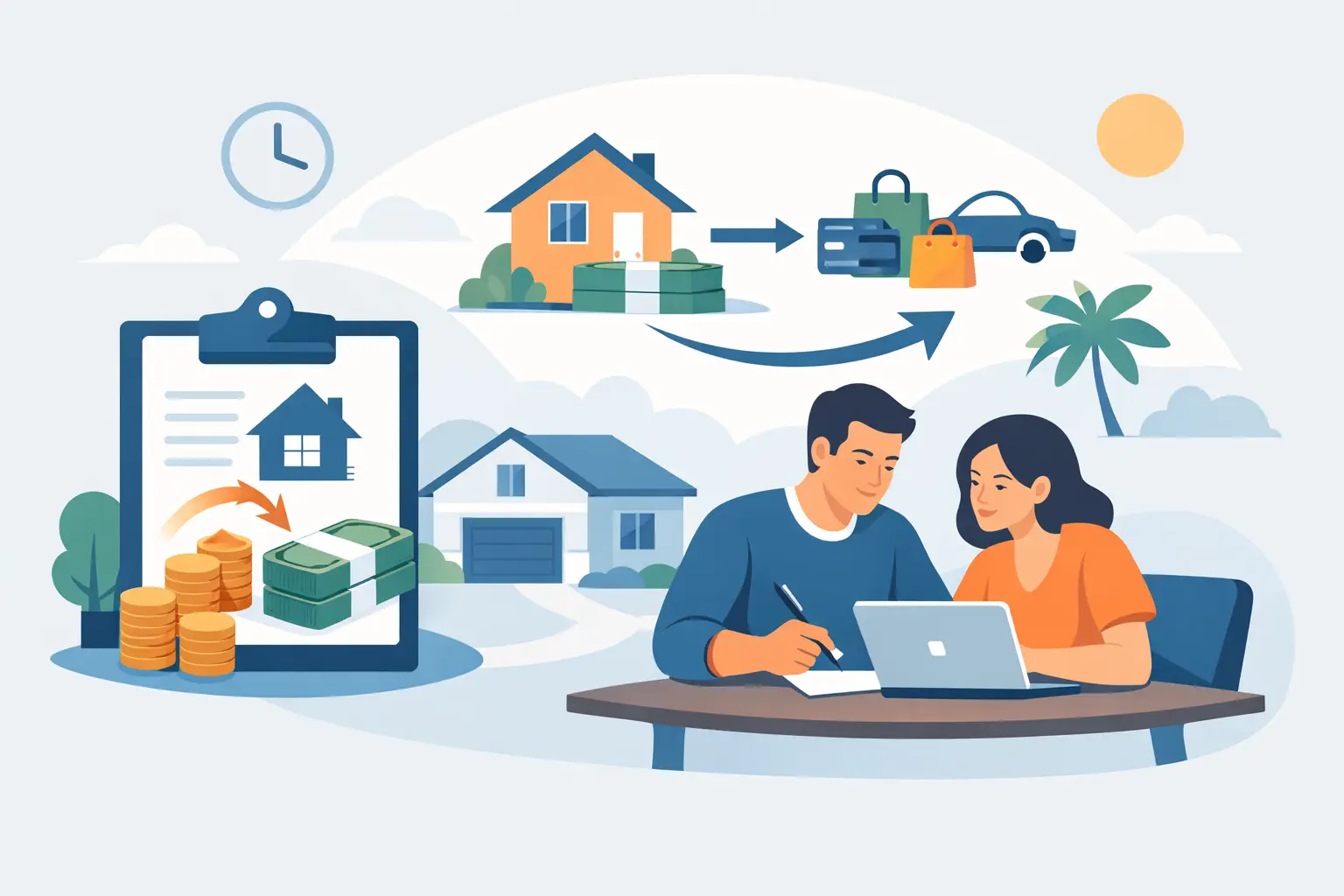
A HELOC draw period can give you flexible access to your home's equity when expenses do not arrive all at once. Whether you are renovating a kitchen, covering college costs, consolidating higher-rate debt, or building a financial cushion, the key is knowing what happens to your payment before and after the draw period ends.
A home equity line of credit is not a lump-sum mortgage. It is a revolving credit line secured by your home, with a maximum approved limit. During the draw period, you can generally borrow, repay, and borrow again up to that limit. That flexibility can be valuable, but it also requires a clear repayment plan from the start.
What Is a HELOC Draw Period?
The draw period is the first phase of a HELOC. It is the window in which you may access available funds from your approved credit line. Many HELOCs have draw periods of 5, 10, or 15 years, although the exact term depends on the lender and loan program.
You do not have to take the full line amount at closing. If your HELOC limit is $100,000 and you initially use $25,000, interest generally accrues only on the $25,000 you borrowed, not the unused $75,000. As you repay principal, that amount may become available to borrow again during the draw period, subject to your loan terms.
Access methods vary. Depending on the lender, you may request advances online, transfer funds to a bank account, use checks, or receive a card tied to the line. Before relying on a HELOC for a time-sensitive expense, ask how quickly advances are available and whether minimum draw amounts or transaction fees apply.
Your payment may be lower than you expect - at first
During the draw period, many HELOCs allow interest-only monthly payments. This can keep the required payment relatively low, especially compared with a traditional installment loan. It does not mean the balance is shrinking.
For example, if you borrow $50,000, an interest-only payment covers the interest charged for that month but leaves the $50,000 principal balance in place. If the rate is variable, the amount due can also rise or fall as the index and margin change. Paying extra toward principal while you have access to the line can reduce both future interest and the payment shock that may come later.
Some HELOCs require principal and interest payments during the draw period, while others may convert advances into fixed-rate portions. Terms differ, so do not assume that every line of credit operates the same way. Review the payment schedule, rate structure, fees, and conditions before using the funds.
What Happens When the HELOC Draw Period Ends?
When the draw period ends, the line usually moves into its repayment period. You can no longer take new advances, and the outstanding balance must be repaid under the terms of your agreement. Repayment periods commonly last 10 to 20 years.
This change catches some homeowners off guard because the monthly payment can increase significantly. The reason is simple: a balance that may have required interest-only payments must now be paid down with principal and interest over a defined period.
Consider a homeowner with a $60,000 outstanding balance at the end of a 10-year draw period. Their required payment during the draw period may have covered interest only. Once repayment begins, that same balance must be amortized, often over 10, 15, or 20 years. The new payment will depend on the interest rate and remaining repayment term, but it may be hundreds of dollars more per month.
A variable-rate HELOC adds another layer of uncertainty. If rates are higher when repayment begins, the payment increase can be more pronounced. That is why the best time to plan for the repayment period is before you make the first draw, not when the lender sends a notice that the draw period is ending.
How to Use a HELOC Draw Period Wisely
A HELOC can be a practical financing tool when it supports a specific purpose and fits your household budget. The strongest approach is to treat the line as planned financing, not as an open-ended extension of income.
Start by deciding what the money is for and how much you actually need. A $100,000 line does not mean it is wise to borrow $100,000. For a home improvement project, get realistic contractor estimates and leave room for a reasonable contingency. For debt consolidation, compare the HELOC's rate and costs against the rate, payment, and payoff timeline of the debt you plan to replace.
Next, build your budget around a repayment-period payment, not merely the initial interest-only payment. Run the numbers using a higher possible interest rate and a shorter repayment term if your loan allows either. If that future payment would strain your finances, consider borrowing less, paying principal down sooner, or choosing a different loan structure.
It also helps to set a personal principal-paydown target. Even an extra monthly principal payment during the draw period can make a material difference over time. You retain flexibility while gradually reducing the balance that will enter repayment.
Four Questions to Ask Before Opening a HELOC
Before you sign, get direct answers to these questions:
- How long is the draw period, and how long is the repayment period?
- Is the interest rate variable, and what index, margin, rate cap, and floor apply?
- Will payments be interest-only during the draw period, or is principal required?
- What fees, annual charges, early-closure conditions, minimum draws, or inactivity requirements apply?
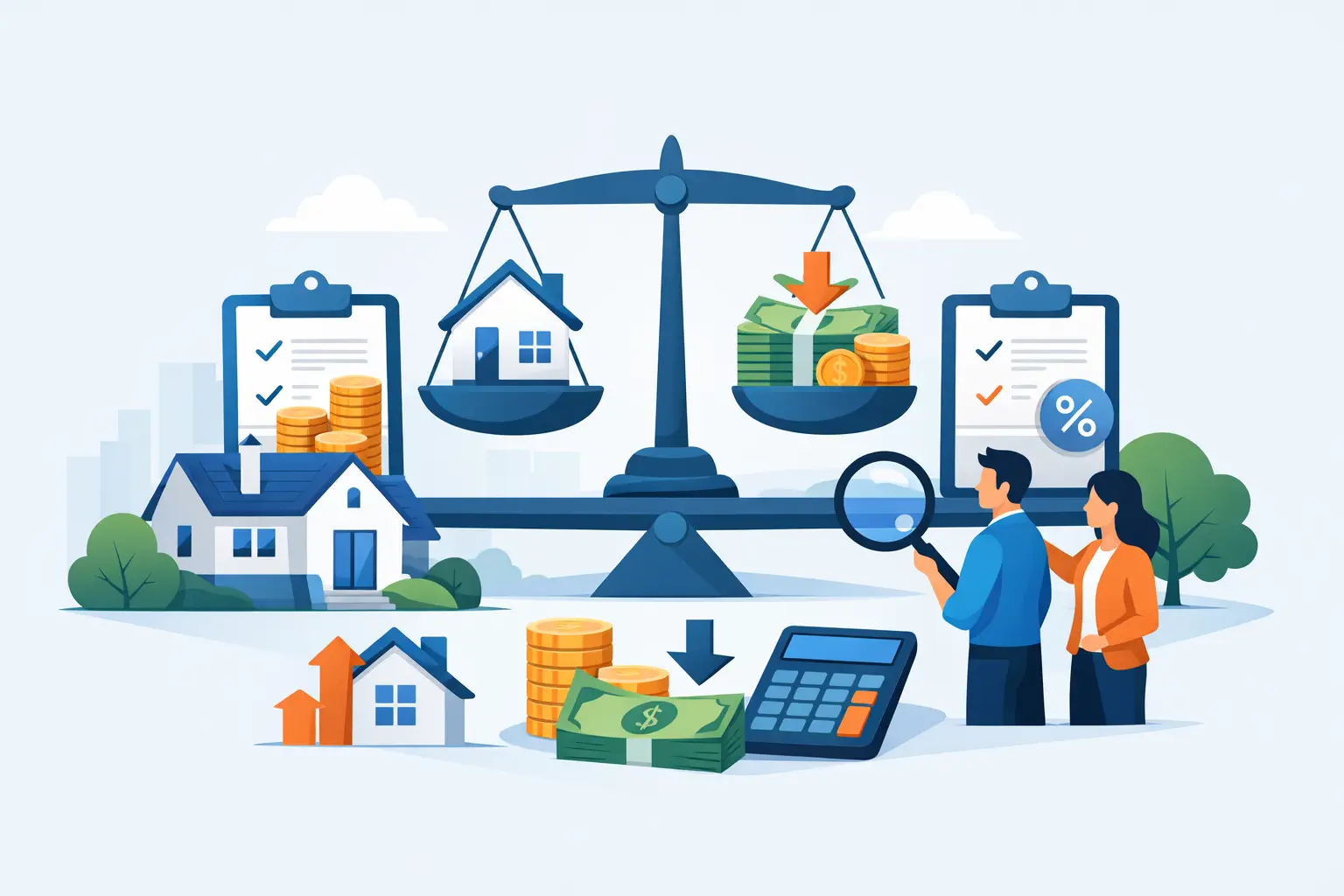
Is a HELOC the Right Choice for Your Goal?
A HELOC often works well for costs that occur over time or are hard to price precisely. A multi-stage renovation is a common example: you can draw funds as invoices arrive rather than paying interest on a full lump sum from day one. It can also be useful for homeowners who want ongoing access to equity without replacing a favorable first-mortgage rate.
However, a HELOC is not automatically the best option for every borrower. If you know the exact amount you need and want one predictable payment, a home equity loan may offer more certainty. If you are planning a major mortgage refinance, compare the total cost carefully. Replacing a low-rate first mortgage solely to access equity can be expensive, even if the new loan provides cash out.
Because your home secures the HELOC, missed payments have serious consequences. Borrow only for purposes that improve your financial position, solve a real need, or support a well-defined goal. Using home equity to cover recurring spending without a plan to correct the underlying cash-flow issue can create more pressure later.
Prepare Before Your Draw Period Becomes Repayment
If your draw period is already underway, review your current balance, rate, available credit, and payment requirements now. Find the exact draw-end date in your statements or loan documents. Then estimate your payment after conversion and compare it with your current household budget.
If the projected payment looks uncomfortable, you may have options. You could pay down principal before the draw period ends, evaluate a fixed-rate conversion if your loan offers one, refinance if the numbers make sense, or discuss a different equity solution with a qualified mortgage professional. The right path depends on your credit profile, income, home value, first-mortgage rate, and how long you expect to keep the home.
US Mortgages helps homeowners look beyond the immediate draw and choose equity financing with the full repayment picture in view. A clear review of terms and future payment scenarios can help you use your equity with confidence rather than leave your next financial decision to a deadline.